Installing a fence is a significant home improvement project that can enhance privacy, security, and curb appeal. Whether you plan to tackle the job yourself or hire professionals, knowing what lies ahead can save time, money, and frustration. From budgeting and material selection to permits and construction steps, there are several moving parts involved. This article walks you through the key considerations and stages of planning a successful fence installation, so you can approach the project with confidence and realistic expectations.
How Much Does Fence Installation Cost?
The cost of installing a fence varies depending on several factors. The type of material influences the price, with options like wood, vinyl, and metal offering different costs.
The fence’s length and height are important, as longer and taller fences need more materials and labor. Labor costs are significant, especially with uneven or rocky terrain, which complicates installation. Customization such as decorative post caps, gates, or unique layouts can increase expenses. Understanding these factors early helps create a more accurate budget and avoids surprises.
Material choice affects the initial cost and long-term value. Wood fences are usually the most affordable initially and offer a classic look but may need more maintenance over time. Vinyl fencing costs more upfront but is durable and low maintenance, resisting weather, insects, and rot. Metal fences, like aluminum or wrought iron, vary in price based on design and thickness. Aluminum is typically more budget-friendly and rust-resistant, while wrought iron offers strength and elegance at a higher cost. Comparing these options based on budget and maintenance helps you choose the best fit for your property.
Beyond materials and labor, there are other costs. Permit fees may apply due to local regulations. You may need a property survey to confirm boundary lines if unclear. Clean-up and disposal of old fencing materials, along with repairs to landscaping disturbed during installation, can add to the total cost. Planning for features like gates, locks, or reinforced posts should be part of your budget.
What Are the Steps Involved in Fence Installation?
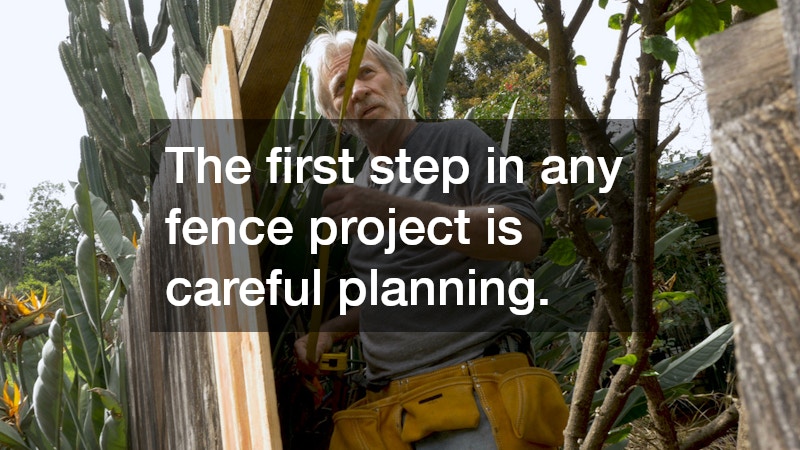
The first step in any fence project is careful planning. This includes measuring your property, confirming boundary lines, and deciding on fence placement. Many municipalities have rules regarding fence height, style, and distance from property lines, so checking local zoning regulations is essential. Obtaining the necessary permits before work begins can prevent legal issues and delays. If you belong to a homeowners association, you may also need approval to ensure the design complies with community guidelines.
Once planning and permits are in place, preparation begins. This stage involves ordering materials, marking the fence line, and clearing obstacles such as debris, plants, or old fencing. Accurate marking ensures straight lines and proper spacing between posts. Post holes must be dug to the correct depth to provide stability, especially in areas with strong winds or shifting soil. Having all materials on hand before starting—posts, panels, fasteners, and concrete—helps keep the project running smoothly.
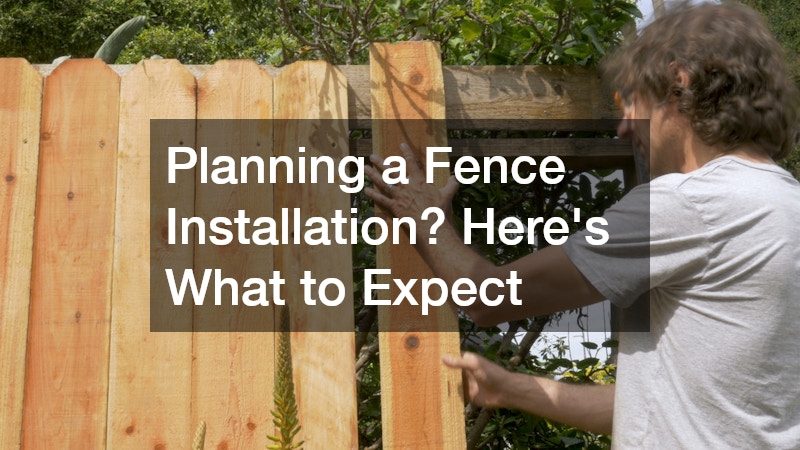
The installation process typically starts with setting the fence posts. Posts are placed in holes, leveled, and secured with concrete or compacted soil. Properly set posts are critical, as they support the entire structure. After the posts cure and stabilize, rails, panels, or pickets are attached according to the fence design. Gates are usually installed last to ensure proper alignment and function. Throughout the process, frequent measurements and level checks help maintain consistency and durability.
How to Choose the Right Fence for Your Needs?
Before selecting a fence, it’s important to clarify its primary purpose. If privacy is your main goal, tall, solid-panel fences may be ideal. For security, metal or reinforced fences with locking gates offer added protection. Decorative fences, such as picket styles, are often chosen to enhance curb appeal without blocking visibility. Some homeowners need a combination of functions, such as a fence that provides privacy while still complementing landscaping. Identifying your priorities will narrow down suitable options.
Durability and maintenance requirements should play a major role in your decision. Wood offers versatility but requires regular upkeep to prevent rot and weather damage. Vinyl and composite materials are more resistant to the elements and need minimal maintenance, making them appealing for busy homeowners. Metal fences are known for strength and longevity, though they may require occasional treatments to prevent corrosion, depending on the material. Considering your climate and how much maintenance you’re willing to handle will help you choose wisely.
A fence should complement your home’s architectural style and outdoor space. Modern homes often pair well with sleek metal or horizontal designs, while traditional homes may look best with wood or classic vinyl styles. Color, texture, and height all influence how the fence integrates with landscaping. Taking time to visualize the final result—or consulting with a design professional—can ensure the fence enhances, rather than detracts from, your property’s appearance.
Fence installation requires careful planning and consideration of multiple factors, from costs and materials to permits and aesthetics. By understanding what influences pricing, knowing the steps involved, and choosing a fence that aligns with your needs and style, you set the stage for a successful project. Whether you decide to do it yourself or hire experienced professionals, being informed and prepared will make the fence installation process smoother, more efficient, and ultimately more rewarding.