
As the seasons turn, your home has to work harder to keep you comfortable, and small adjustments made at the right time can save you money and prevent bigger headaches later. Many homeowners wait until a system fails or a room feels unbearable before taking action, but a proactive approach keeps your house running smoothly year-round. This guide walks through the key interior and exterior adjustments worth making as temperatures shift, from heating and cooling systems to windows, decks, and everything in between. Whether you are prepping for winter or getting ready for summer entertaining, these practical steps will help you stay ahead of seasonal comfort issues.
Heating and Cooling System Checkups Before Extreme Temperatures Hit

Your furnace and air conditioner take the biggest hit when seasons change, and waiting until the first cold snap or heat wave to test them is a gamble many homeowners regret. Scheduling a checkup before peak season means small issues like worn belts, dirty coils, or low refrigerant get caught before they turn into full system failures. A technician can spot these problems in an hour-long visit, long before they escalate into a repair bill that runs into the thousands.
Fall is the ideal time to have your furnace inspected, checking the heat exchanger for cracks, testing ignition components, and confirming carbon monoxide levels are safe. In spring, the focus shifts to your air conditioner, cleaning condenser coils, checking refrigerant pressure, and verifying the blower motor isn’t straining under dust buildup. Skipping either checkup can shave years off equipment that would otherwise last 15 to 20 years with regular care.
Many HVAC companies offer seasonal maintenance plans that include filter changes, thermostat calibration, and duct inspections, all of which help your system run more efficiently. These plans often cost between $150 and $300 per year but can pay for themselves through lower energy bills and fewer emergency repair calls. Some providers even offer priority scheduling for plan members, which matters when everyone else is calling the same week temperatures spike.
Beyond the technician’s visit, homeowners can do their part between appointments by replacing filters every 60 to 90 days and keeping outdoor units clear of leaves, snow, and debris. A simple habit of checking your thermostat’s programming at the start of each season also helps catch settings that no longer match your household’s routine.
Beyond preventing breakdowns, regular maintenance also protects your energy bills. A poorly tuned system can run 10 to 20 percent less efficiently than one that has been properly serviced, which adds up quickly over a full heating or cooling season.
The culprits are often simple and inexpensive to fix. A clogged air filter forces the blower motor to work harder, dirty condenser coils reduce heat exchange, and low refrigerant levels make an air conditioner run longer to reach the same temperature. Left unaddressed, these small issues compound, turning a $150 tune-up into a $1,000+ repair bill down the road.
A seasonal checkup should include a handful of key checks: filter replacement, thermostat calibration, electrical connection inspection, condensate drain clearing, and a refrigerant level test for cooling systems. For furnaces, technicians should also inspect the heat exchanger for cracks, which can pose a carbon monoxide risk.
Scheduling matters too. Booking service in early fall for heating systems and early spring for cooling systems, ahead of the seasonal rush, often means faster appointments and catching problems before that first cold snap or heat wave puts real strain on the equipment.
- Schedule a fall tune-up before heating season begins — technicians check gas pressure, heat exchangers, and safety controls that DIYers can’t easily assess
- Book HVAC appointments in September or early October, before the pre-winter rush drives up wait times and prices
- Replace air filters every one to three months depending on usage, but check monthly if you have pets or allergy sufferers in the home
- Have ductwork inspected for leaks — sealing them can improve efficiency by up to 20%, especially in older homes
- Test your thermostat programming to match your seasonal schedule, adjusting for daytime absences and overnight setbacks
- Consider upgrading to a smart thermostat if yours can’t handle multiple daily temperature changes automatically
- Keep outdoor condenser units clear of leaves, debris, and snow, maintaining at least two feet of clearance on all sides
- Listen for unusual noises like rattling, grinding, or clicking during startup, which often signal parts needing attention before failure
Water Heater Performance as Temperatures Drop
Cold weather forces your water heater to work harder, since incoming groundwater temperatures drop significantly in winter months. This means your unit has to heat water from a lower starting point, which can strain older systems or those already showing signs of sediment buildup. If you notice lukewarm water, strange noises, or a slower recovery time, it may be worth having local water heater contractors flush the tank and check the heating element before the coldest months arrive.
Tankless systems face their own seasonal challenges, particularly in colder climates where incoming water temperature can affect flow rate and output temperature. A quick inspection before winter can confirm your unit is sized correctly for the season and free of mineral scale that reduces efficiency over time.
- Flush your tank annually to remove sediment buildup
- Check the pressure relief valve for proper function
- Insulate exposed pipes in unheated areas like garages or crawlspaces
- Lower the thermostat setting slightly if the unit is not used often
Window Treatments and Sunlight Management Through the Year

The amount of sunlight entering your home changes dramatically between summer and winter, and adjusting how you manage that light can make a real difference in comfort and energy use. In summer, direct sun through south and west-facing windows can turn a room into a greenhouse, driving up cooling costs and fading furniture. Many homeowners are turning to solar shade installation as a way to block heat gain while still allowing natural light to filter through, which keeps rooms comfortable without making them feel dark or closed off.
In winter, the same windows can be a source of welcome warmth if you manage shades correctly by opening them during sunny days and closing them at night to retain heat. Thinking about window coverings as a seasonal tool rather than a one-time decorating choice helps you get more value out of every window in the house.
- Close shades during peak summer afternoon sun to reduce heat gain
- Open south-facing shades on sunny winter days for free warmth
- Consider motorized options for windows that are hard to reach
- Pair shades with reflective window film for added efficiency
Deck and Outdoor Living Space Preparation for Changing Weather
Outdoor spaces take a beating from seasonal shifts, especially decks exposed to snow, ice, rain, and intense summer sun. Wood decking can warp, crack, or develop rot if moisture gets trapped between boards, while composite decking can fade or become slippery if not cleaned regularly. Before winter sets in, it is worth inspecting boards, railings, and fasteners for damage that could worsen under freezing and thawing cycles.
If your deck is showing significant wear or you are considering an upgrade to a more durable material, reaching out to local deck suppliers in early spring or fall gives you more flexibility with scheduling and material selection before the busy season hits. Many suppliers also offer guidance on which materials perform best in your specific climate.
- Inspect for loose boards, popped nails, or soft spots
- Reseal or restain wood decking every one to three years
- Clear debris from between boards to prevent moisture retention
- Check railings and stairs for stability before winter ice arrives
Basement Moisture Control During Wet Seasons
Spring rains and melting snow send a surge of moisture toward your home’s foundation, and basements are often the first place that extra water shows up. Musty odors, damp walls, or visible efflorescence are all early warning signs that moisture is getting in where it should not be. Left unaddressed, this can lead to mold growth, damaged storage items, and even structural concerns over time.
A professional assessment of basement waterproofing can identify whether the issue stems from poor grading, clogged gutters, or cracks in the foundation itself. Addressing these issues before the wettest months arrive is far less disruptive than dealing with an active flood or extensive water damage later.
- Check that gutters and downspouts direct water away from the foundation
- Look for cracks in basement walls or floors after winter freezes
- Use a dehumidifier to manage humidity levels below 50 percent
- Grade soil away from the house to prevent pooling near the foundation
Kitchen Layout Adjustments for Seasonal Entertaining

The kitchen often becomes the heart of seasonal gatherings, whether it is holiday baking in winter or casual summer cookouts that spill into the backyard. If your current layout feels cramped during peak entertaining times, it might be worth evaluating whether small changes could make a big difference. Adding counter space, improving traffic flow, or upgrading ventilation can all help a kitchen handle the demands of hosting throughout the year.
For homeowners considering larger changes, kitchen remodeling projects are often planned around slower seasons so the work is complete before major holidays or summer entertaining season begins. Timing a renovation this way minimizes disruption to your daily routine while ensuring the space is ready when you need it most.
- Improve ventilation to handle increased cooking during holidays
- Add storage solutions for seasonal cookware and serving pieces
- Consider an island or extra counter space for entertaining
- Upgrade lighting to accommodate darker winter evenings
Bathroom Comfort Improvements for Cold and Warm Months
Bathrooms can feel especially uncomfortable during temperature extremes, with cold tile floors in winter and humid, stuffy air in summer. Small fixes like adding a bath mat or space heater help temporarily, but if discomfort is a recurring seasonal issue, it may point to a larger ventilation or insulation problem. Poor exhaust fan performance, for example, can trap humidity year-round, leading to mold growth and peeling paint regardless of the season.
For homeowners dealing with persistent comfort issues, bath remodeling offers a chance to address insulation, flooring, and ventilation all at once rather than patching individual problems as they arise. Heated floors, upgraded exhaust fans, and better window sealing are popular additions for those looking to make bathrooms comfortable in every season.
- Check exhaust fan function and clean vents regularly
- Add a bath mat or rug for cold winter mornings
- Reseal grout and caulk to prevent moisture damage
- Consider heated flooring for consistent comfort year-round
Fence Maintenance and Upgrades After Harsh Weather
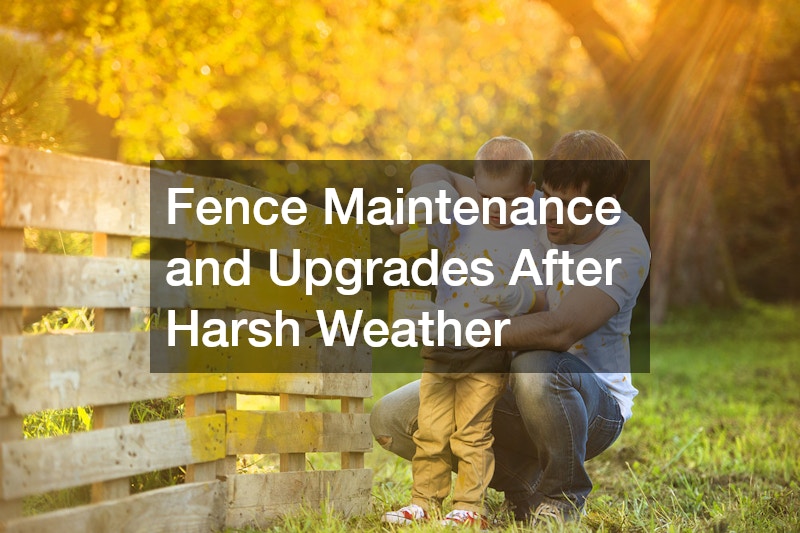
Fences absorb a lot of seasonal stress, from wood expanding and contracting with temperature swings to metal components rusting after prolonged exposure to rain and snow. A quick walk around your property after winter can reveal leaning posts, cracked boards, or gates that no longer latch properly. These issues tend to worsen quickly if left unaddressed, especially once warmer weather brings more outdoor activity and moisture-driven wood movement.
If your fence needs more than a simple repair, working with a fence company during the offseason often means shorter wait times and better pricing before the busy spring and summer installation rush begins. Many companies also offer material recommendations suited to your local climate, which can extend the lifespan of your investment considerably.
- Check for leaning or shifting posts after freeze-thaw cycles
- Inspect gate hardware for rust or misalignment
- Look for splintering or rot in wood sections near the ground
- Repaint or reseal wood fencing every couple of years
Exterior Lighting and Cleaning Tasks for Seasonal Curb Appeal
As daylight hours shrink in fall and winter, exterior lighting becomes more important both for safety and for enjoying your outdoor space after dark. Pathways, steps, and entry points benefit from reliable lighting that helps prevent slips on icy or wet surfaces. A landscape lighting service can help design a system that highlights key areas while also improving visibility around the property during the darker months.
Alongside lighting, exterior cleaning tasks often get overlooked as the weather turns, even though grime, pollen, and hard water spots build up steadily across the seasons. Hiring a window cleaning company once or twice a year, typically in spring and fall, keeps glass clear and allows more natural light into the home during months when every bit of sunlight helps with mood and energy costs.
- Add pathway and step lighting for safer winter evenings
- Schedule exterior window cleaning in spring and fall
- Check outdoor fixtures for damage after storms
- Use timers or smart controls to adjust lighting schedules seasonally
Seasonal home maintenance does not have to be overwhelming when you break it down into manageable, well-timed tasks throughout the year. By staying ahead of changes to your heating and cooling systems, water heater, windows, outdoor spaces, and interior rooms, you avoid the stress and expense of emergency repairs. Start with a simple walkthrough of your home this season, note what needs attention, and tackle the highest-priority items first. Taking these steps now sets you up for a more comfortable, efficient home no matter what the next season brings.