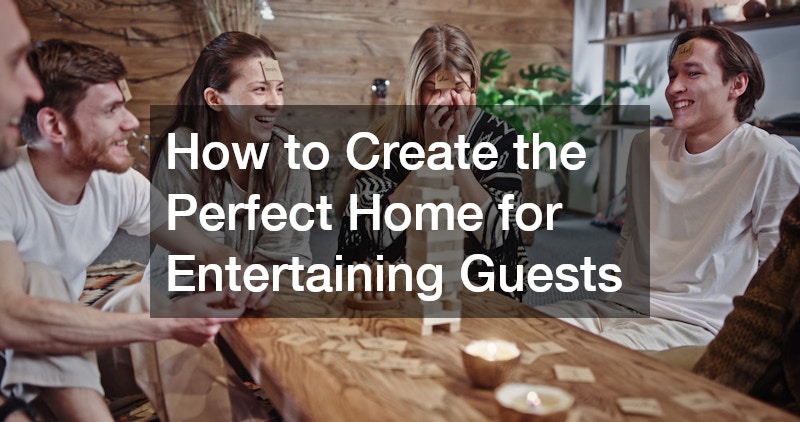
A home built for entertaining does not need to be enormous, formal, or filled with expensive features. The most successful gathering spaces are comfortable, easy to navigate, and flexible enough to handle different occasions. A quiet dinner with close friends requires a different setup than a holiday celebration, birthday party, or summer cookout, but the same basic principles apply. Guests should be able to move around comfortably, find what they need, and feel relaxed from the moment they arrive.
Good entertaining also depends on how the home supports the host. If food preparation is difficult, seating is limited, lighting is harsh, or guests constantly gather in narrow walkways, even a well-planned event can become stressful. Thoughtful home improvements can reduce those problems while making everyday routines more enjoyable.
Before making changes, consider how gatherings usually unfold. Think about where coats are placed, where drinks are served, where people tend to stand, and which areas feel crowded. These observations reveal which improvements will have the greatest impact. The goal is not to create a showpiece. It is to create a home where people can connect comfortably and where hosting feels manageable rather than exhausting.
Evaluating How Guests Move Through Your Home
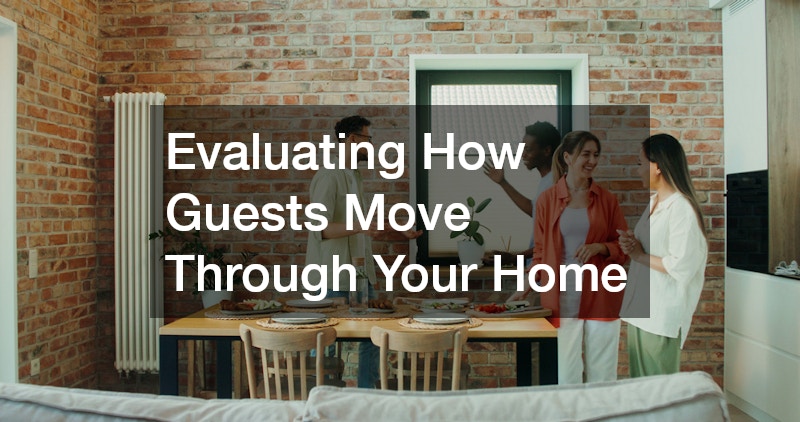
Pay attention to what happens during an actual gathering. Guests rarely remain seated in one room for an entire evening. They move between the entrance, kitchen, dining area, bathroom, living room, and outdoor spaces. When those routes are blocked by oversized furniture, narrow doorways, or poor room placement, the home can feel crowded even when only a few people are visiting.
Begin by walking through the home as if you were a guest. Enter through the main door and notice whether there is an obvious place to leave a coat, bag, or umbrella. Continue toward the primary gathering area. Look for tight corners, furniture that interrupts the path, and doors that collide with nearby furnishings. In many cases, simply rearranging a sofa, removing an unnecessary side table, or repositioning dining chairs can improve movement without requiring construction.
Larger layout problems may call for residential remodeling. Removing a nonstructural wall, widening an opening, or creating a clearer connection between the kitchen and living room can make gatherings feel more open. However, open space should still have structure. Furniture placement, rugs, lighting, and ceiling details can define zones for conversation, dining, and food service without making the rooms feel separated.
Lighting also affects how people move and interact. A single overhead fixture may illuminate a room, but it often creates glare and leaves corners dark. Electrical contractors can help add dimmers, wall sconces, under-cabinet fixtures, or additional outlets where lamps and serving appliances are likely to be used. Layered lighting allows the home to shift from bright and practical during preparation to warm and comfortable once guests arrive.
For a realistic test, invite a few people over before beginning a major project. Watch where they naturally gather and where traffic slows down. Their behavior may reveal that the home needs a wider serving area, a clearer path to the backyard, or additional lighting near a hallway. Designing around real movement patterns is more useful than relying only on how a floor plan looks on paper.
Creating a Kitchen That Keeps Everyone Connected
The kitchen often becomes the center of a gathering, even when the living room is larger. Guests are naturally drawn toward food, drinks, and the person preparing them. A kitchen that isolates the host or forces people into the cooking zone can make entertaining uncomfortable. The best layout gives guests a place to participate without interrupting food preparation.
Start by dividing the kitchen into activity zones. One area should support cooking, another should handle cleanup, and a third should allow guests to serve themselves. During a kitchen remodel, these zones can be built into the layout. An island, peninsula, beverage station, or nearby console can keep drinks and appetizers away from the stove and sink. Guests can refill a glass or grab a snack without crossing behind the person handling hot pans.
Storage deserves equal attention. Entertaining becomes harder when serving dishes are buried behind everyday cookware or when the host must search several cabinets for glasses. Keep frequently used entertaining items together. Platters, napkins, pitchers, corkscrews, and extra utensils should be placed near the area where they are used. Deep drawers can make heavy dishes easier to access, while pull-out shelves help reduce clutter in lower cabinets.
Plumbing decisions also influence how well the room functions. A kitchen plumber can help determine whether a deeper sink, secondary prep sink, pot filler, improved faucet, or water line for a beverage station would be practical. These features are not essential in every home, but they can improve efficiency for households that entertain often. A larger sink, for example, keeps dirty cookware from taking over the counters while food is still being served.
When planning the space, follow this order:
- Identify where food will be prepared.
- Choose where guests will collect food and drinks.
- Keep cleanup tools close to the sink and dishwasher.
- Protect major walkways from open appliance doors.
- Provide seating that does not block cabinets or work areas.
Imagine preparing dinner while four guests stand nearby. If opening the refrigerator forces someone to move, or if the only trash bin is behind the person cooking, the layout needs adjustment. Small inconveniences multiply quickly during a busy evening. A well-organized kitchen allows conversation to continue while each task happens naturally.
Choosing Surfaces That Withstand Frequent Gatherings
Entertaining puts unusual pressure on household surfaces. Food spills, wet shoes, dragged chairs, dropped utensils, and crowded walkways can quickly expose materials that are difficult to maintain. Selecting durable finishes does not mean sacrificing style. It means choosing materials that continue to look good after regular use.
Granite countertops remain appealing for entertaining spaces because they offer a substantial, polished surface for preparing and serving food. When properly sealed, they can resist many common stains and handle daily wear. Still, homeowners should use trivets under hot cookware, wipe up acidic spills promptly, and avoid cutting directly on the stone. Durability works best when paired with routine care.
Counter layout matters as much as the material. A long uninterrupted surface can hold appetizers, desserts, or a buffet-style meal. Rounded corners reduce the risk of guests bumping into sharp edges in tight spaces. If the kitchen is small, a movable cart can provide extra serving space and be stored when it is not needed.
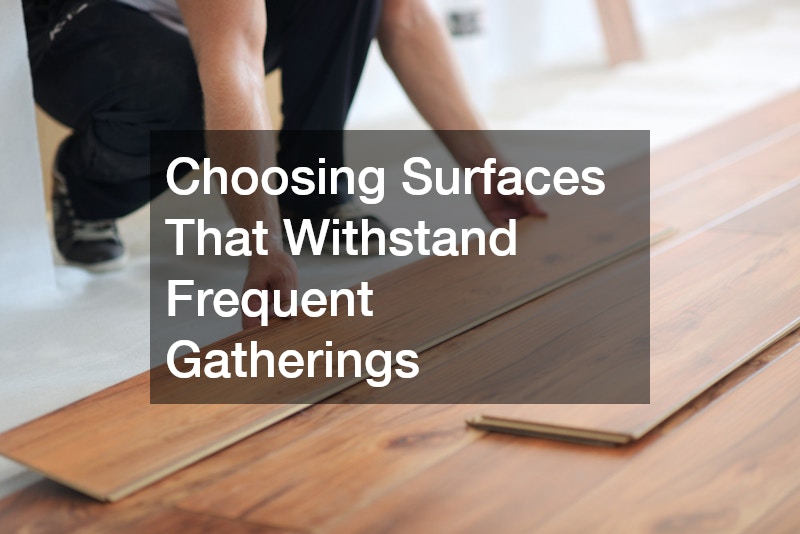
Floors face even more wear because every guest walks across them. Before visiting a flooring store, consider how the room is used throughout the year. A household with children, pets, pool access, or frequent outdoor gatherings may need a surface that resists moisture and scratches. Luxury vinyl, tile, engineered wood, and properly finished hardwood can all work, but each has different maintenance requirements.
Think beyond the showroom sample. A very dark floor may reveal dust and crumbs, while a highly polished surface may become slippery when wet. Deep grout lines can collect debris in busy dining areas. Soft flooring may feel comfortable but become difficult to clean after food and drink spills. Ask for larger samples and view them in the home during both daylight and evening hours.
Transitions between rooms also deserve attention. Guests notice uneven thresholds when carrying plates or drinks. Continuous flooring can make adjoining spaces feel larger, while coordinated materials can provide visual flow even when the surfaces differ. The goal is to create a foundation that looks welcoming but does not require constant worry during every gathering.
Refreshing Walls and Finishes for a Welcoming Atmosphere
Walls create the visual background for every gathering. Scuffed corners, visible patches, nail holes, and outdated colors can make a room feel neglected, even when the furniture is attractive. Refreshing these surfaces is one of the most effective ways to improve the atmosphere without changing the entire layout.
The first step is correcting underlying damage. A drywall installer can repair dents, cracks, uneven seams, water-damaged areas, or poorly finished patches. Skipping this stage often leads to disappointing results because fresh paint highlights rather than hides surface flaws. Repairs should be sanded smoothly and primed so the final finish appears consistent.
Color selection should reflect both the room and the mood you want to create. Warm neutrals can make large rooms feel more comfortable, while soft, lighter shades may help a compact space appear more open. Richer colors can work well in dining rooms, reading corners, or accent areas where a sense of intimacy is desirable. Instead of choosing a color from a small paper card, test several samples on different walls. Observe them throughout the day and under the lighting used during evening gatherings.
An interior painting company can also advise on sheen. Flat finishes hide imperfections but may be harder to clean. Satin and eggshell finishes are often easier to maintain in living and dining areas, while semi-gloss paint works well for trim, doors, and surfaces that need frequent wiping. The correct finish helps walls withstand fingerprints, chair marks, and minor spills.
Do not overlook ceilings and trim. Yellowed ceilings, chipped baseboards, and worn doorframes can make a newly painted wall feel unfinished. Updating these details creates a cleaner, more intentional appearance.
A couple preparing for a family celebration might initially focus on buying new furniture. However, after repairing cracked corners, repainting the walls, and refreshing the trim, they may find that their existing furnishings look far better. Sometimes the room does not need more objects. It needs a cleaner visual background and fewer signs of wear.
Expanding Outdoor Areas for Comfortable Gatherings
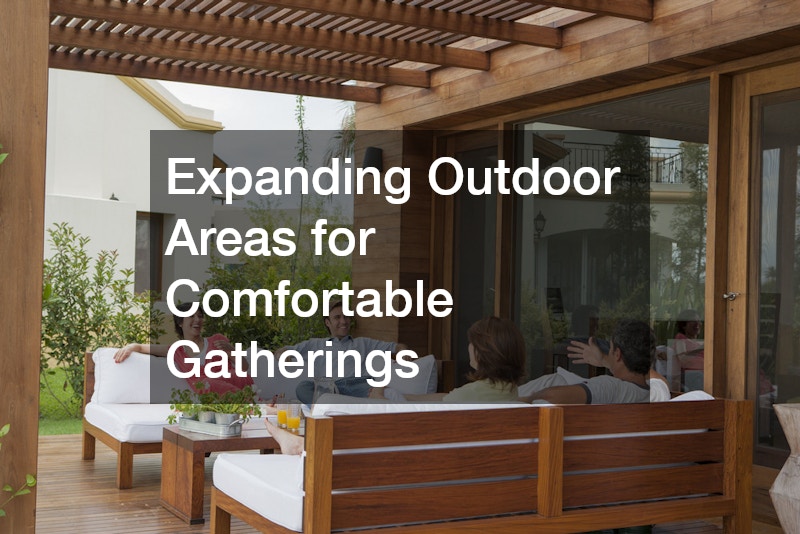
Outdoor space can significantly increase the usable area of a home. A patio, deck, lawn, or garden gives guests room to spread out and allows different activities to happen at the same time. Children can play while adults talk nearby, or dinner can move outside during pleasant weather. The key is treating the exterior as a real living area rather than an empty space with a few chairs.
Begin with shade and seating. Guests are unlikely to remain outside if the sun is intense or if there is nowhere comfortable to sit. Umbrellas, pergolas, covered patios, mature trees, and retractable awnings can provide relief. Seating should include a mix of upright dining chairs, relaxed lounge furniture, and movable pieces that can be rearranged as needed.
Custom pools can become a central feature for summer entertaining, but the surrounding design is just as important as the water itself. Safe walking surfaces, visible steps, adequate lighting, storage for towels, and designated areas for food and drinks help the space function smoothly. The pool should feel connected to the rest of the yard rather than isolated from it.
Outdoor dining areas work best when they are reasonably close to the kitchen. Long trips through multiple rooms make serving and cleanup more difficult. A pass-through window, wide patio door, outdoor cart, or small beverage refrigerator can reduce unnecessary movement. Keep outdoor dinnerware and basic serving supplies in an accessible location so the host does not need to gather everything from scratch.
Comfort also depends on details that are easy to forget:
- Add lighting along walkways and steps.
- Provide places for guests to set down drinks.
- Keep insect control measures nearby.
- Store extra blankets for cool evenings.
- Create a clear route to the nearest bathroom.
- Use outdoor speakers at a volume that allows conversation.
Plan for changes in weather. Furniture covers, drainage, wind-resistant umbrellas, and sheltered areas can prevent a sudden shower from ruining the setup. Even a modest backyard can become a favorite gathering place when it offers comfort, shade, and an easy connection to the interior.
Keeping Every Room Ready for Visitors
A guest-friendly home does not need to remain spotless at all times. It does, however, benefit from simple maintenance habits that prevent small problems from becoming embarrassing or difficult to fix before an event. The most useful approach is to focus on the spaces guests actually use: the entrance, main gathering room, kitchen, dining area, bathroom, and outdoor access points.
Tile surfaces deserve special attention because dirt often builds gradually. Kitchen backsplashes, bathroom floors, entryways, and mudrooms may look clean from a distance while grout lines become darker over time. A tile and grout cleaning service can address deep discoloration that ordinary mopping does not remove. Professional cleaning may also help restore the appearance of tiled areas before homeowners consider replacing them.
Daily care should remain manageable. Wipe spills quickly, use mats near exterior doors, and keep a small collection of cleaning supplies close to high-use areas. Instead of attempting a full-house cleaning before every gathering, divide maintenance into smaller routines.
For example, one week might focus on the kitchen and dining area. The next could include the guest bathroom and entrance. Seasonal tasks might involve washing windows, cleaning light fixtures, checking outdoor furniture, and touching up painted surfaces. This rotating approach keeps the home presentable without creating a stressful last-minute workload.
When guests are expected soon, prioritize what affects comfort:
Clear the Arrival Area
Remove shoes, bags, deliveries, and excess décor from the entrance. Make sure there is a place for coats and personal items.
Prepare the Bathroom
Stock clean hand towels, soap, tissues, and toilet paper. Empty the trash and check that the room is well lit.
Organize Serving Areas
Clear unnecessary appliances and paperwork from counters. Set out dishes, glasses, and serving utensils before food preparation becomes busy.
Check Seating and Walkways
Confirm that chairs are stable and that guests can move safely between rooms. Relocate delicate objects from crowded areas.
Guests are rarely concerned about whether every closet is organized. They notice whether the bathroom is clean, whether they can sit comfortably, and whether they feel welcome. Focusing on those details saves time and produces better results.
Bringing Comfort, Function, and Hospitality Together

The perfect home for entertaining is not defined by its size or by how closely it resembles a magazine photograph. It is defined by how well it supports the people inside it. Comfortable seating, clear pathways, practical lighting, durable materials, and easy access to food and outdoor areas allow gatherings to unfold without constant intervention from the host.
Improvements should be guided by real needs. A household that hosts large holiday meals may benefit most from better kitchen storage and serving space. Someone who enjoys casual weekend gatherings may prioritize flexible seating and a comfortable backyard. Others may simply need to improve lighting, repair worn finishes, or make frequently used rooms easier to clean.
Start with the problems that cause the most frustration. Observe how people use the home, complete one meaningful improvement at a time, and avoid adding features that do not match the way you actually live. A thoughtful, welcoming environment makes guests feel at ease and gives the host more time to enjoy the occasion. In the end, successful entertaining is less about creating an impressive setting and more about creating a place where people genuinely want to gather.